
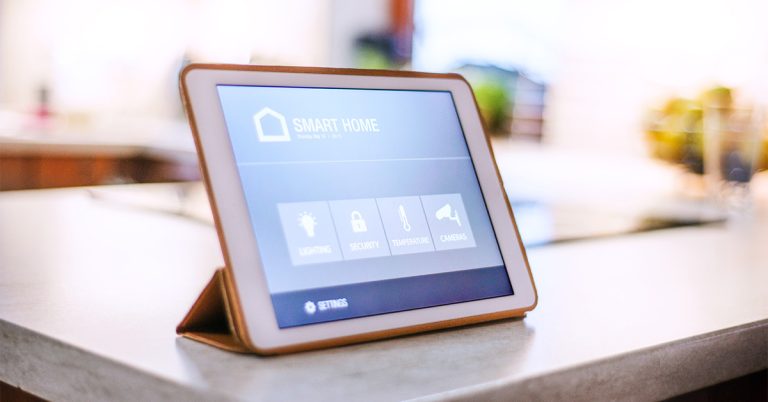
From smart appliances to EV chargers, what happens when your home technology fails?
Today’s homes contain a surprising amount of sophisticated electrical and mechanical equipment.
Heat pumps, EV chargers, smart thermostats, high-end appliances, home battery systems, generators and connected devices make your home more comfortable, efficient, and convenient. But they also give you more equipment to maintain and more things that can break down.
So, what happens when an expensive piece of your home technology suddenly stops working?
The answer can depend on what caused the damage, what was affected and what your homeowners policy actually covers. A lightning strike, a utility-supplied power surge, an internal electrical failure and ordinary wear and tear may all be treated differently.
Understanding those differences before something goes wrong can help you avoid surprises later.
Topics Covered
When Something Breaks, the Cause Matters
When an appliance, home system or electronic device stops working, your first question may be: “Is this covered by my homeowners insurance?”
But there’s another question you should also ask: “Why did it stop working?”
Homeowners insurance generally responds to covered causes of loss, sometimes called “perils,” identified by your policy. Fire and lightning are common examples. Depending on your policy, certain sudden and accidental failures involving plumbing, heating, air-conditioning systems or household appliances may also be covered.
Consider a few different situations.
If lightning strikes your home and damages your electronics, standard homeowners policies generally cover direct lightning damage. Damage from a lightning-related power surge may also be covered.
But what if a utility-supplied power surge damages one of your appliances? What if a motor inside your heating system suddenly fails? Or what if your refrigerator simply reaches the end of its useful life?
Those situations may be treated differently and sometimes the failure itself can create a much bigger problem. That’s why it can be more useful to ask what caused the damage rather than assuming something is covered or excluded based only on what broke.
Which Home Technologies Could Leave You With an Expensive Repair?
You don’t need a fully automated “smart home” to have a substantial amount of technology under your roof.
Heating, cooling and backup power
Your heat pump, central air-conditioning system, boiler, furnace, generator or home battery system may contain electrical and mechanical components you depend on every day. Adding new equipment can also affect other parts of your home.
For example, the U.S. Department of Energy notes that some homes may need electrical-panel or wiring upgrades when adding equipment such as an electric heat pump. Similar electrical-capacity considerations can come into play when you add EV charging equipment.
EV charging equipment
Charging an electric vehicle at home may involve more than simply plugging your car into an existing outlet.
Depending on the charger and your home’s electrical system, installation often requires dedicated electrical equipment, new circuits or other electrical work.
That means the charger itself may be only one part of the system you need to consider. The circuit, panel capacity and other electrical infrastructure supporting the charger can be just as important as the charging unit itself.
Appliances, electronics and connected home equipment
Many of the appliances, electronics and connected devices you use every day also contain electrical and electronic components that can fail or be damaged.
- Refrigerators and freezers
- Washers and dryers
- Ranges and other major appliances
- Televisions and home entertainment systems
- Computers and networking equipment
- Security cameras and alarm systems
- Smart thermostats
- Smart appliances and other connected devices
None of this means newer technology is inherently less reliable. It simply means your home may contain a substantial amount of sophisticated equipment, and repairing or replacing that equipment can become expensive when something goes wrong.
When the damage goes beyond your equipment
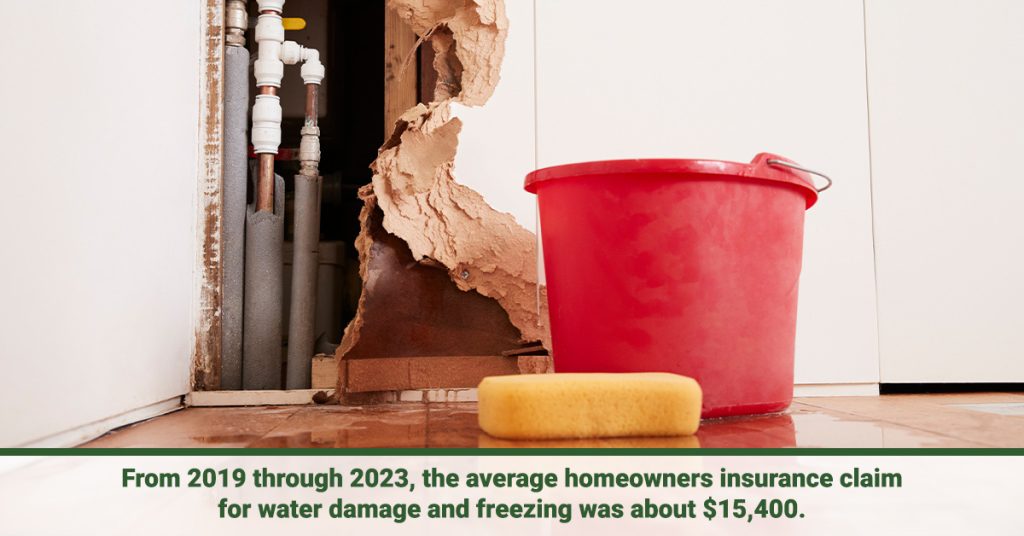
The cost of a technology failure isn’t always limited to repairing or replacing the technology itself.
A leaking washing machine, dishwasher or refrigerator can damage flooring, walls, cabinets and personal belongings. If your heating system fails during freezing weather, the problem can become even more serious if pipes freeze or burst.
Water damage is already one of the more common causes of homeowners insurance claims. From 2019 through 2023, the average homeowners insurance claim for water damage and freezing was about $15,400. That’s why it’s important to think about what can happen around a failed piece of equipment and not just what it will cost to repair or replace the equipment itself.
What Is Equipment Breakdown Coverage?
Your homeowners insurance may cover damage to home systems and equipment caused by certain covered events, but it may not respond the same way when equipment suffers an internal mechanical or electrical breakdown.
That’s where equipment breakdown coverage may help. Depending on your policy, it may be available as additional coverage for certain home systems, appliances and electronics damaged by qualifying mechanical or electrical failures or utility-supplied power surges.
Coverage, deductibles, limits and exclusions can vary, so talk with your insurance agent about what your policy already covers and whether equipment breakdown coverage is available. Want to learn more? Read our guide to equipment breakdown coverage for homeowners.
How to Reduce the Risk of Technology-Related Damage
You can’t prevent every mechanical failure, power surge or equipment problem. But you can take practical steps to protect your home and put yourself in a better position if something does go wrong.
1. Have major electrical work professionally installed
Adding an EV charger, heat pump, generator, battery system or other major electrical equipment isn’t the place to cut corners.
Use a qualified professional to install equipment that affects your home’s electrical system and make sure the work meets applicable installation and safety requirements.
2. Make sure your electrical system can handle new equipment
If you live in an older home, your electrical system may not have been designed with today’s electrical demands in mind.
Before adding major equipment, find out whether your existing panel, wiring and circuits can safely support the added load. Depending on your home and the equipment you’re installing, electrical-panel or wiring upgrades may be needed.
3. Protect your electronics from power surges
Surge protection can help protect sensitive electronics and appliances from sudden voltage spikes.
Ordinary power strips may offer little surge protection, so look for devices specifically designed for surge protection. Whole-home surge protection may also be an option. Talk with a qualified electrician about what’s appropriate for your home.
4. Use the right chargers and replace damaged equipment
A frayed cord, damaged charger or incompatible charging device isn’t something to keep using until it completely stops working. Use the charger recommended by the device manufacturer and stop using cords or charging equipment that show signs of damage, excessive wear or overheating.
The U.S. Fire Administration also recommends plugging charging devices directly into an outlet rather than using extension cords or multi-plug adapters and avoiding overloaded outlets.
For EV charging, use certified charging equipment and follow the manufacturer’s instructions. If you notice obvious damage or excessive wear, stop using the charger until it can be repaired or replaced.
5. Watch for leaks around appliances and water-connected equipment
Washing machines, dishwashers, refrigerators with ice makers or water dispensers, and other water-connected equipment can cause significant damage if a hose, connection or internal component fails.
Check appliance hoses and connections regularly for cracks, leaks, corrosion or other signs of wear, and replace damaged components promptly. The Insurance Information Institute also recommends knowing where your home’s main water shutoff valve is located so you can stop the flow of water quickly if a hose bursts or a major leak occurs.
You may also want to consider a water-leak monitoring or automatic shutoff system that can alert you to a problem before a small leak becomes a much larger one.
6. Follow maintenance and safety recommendations
Keep up with the manufacturer’s recommended maintenance for your HVAC equipment, generator, appliances, chargers and other major home systems.
Routine maintenance can’t eliminate every possibility of failure, but it may help you identify problems earlier and keep your equipment operating as intended.
7. Keep your home inventory up to date
Your home inventory isn’t just for jewelry, furniture and collectibles.
Include expensive electronics, appliances and other equipment. When possible, keep photos, receipts, model numbers or other identifying information.
If you ever need to file a claim, having an up-to-date record of what you own can make it easier to document your loss.
8. Review major home upgrades with your insurance agent
If you install a heat pump, EV charger, generator, home battery system or another significant upgrade, take the opportunity to review your insurance coverage.
Ask your agent how your current homeowners policy applies to the new equipment, what types of losses it covers and whether additional coverage options are available.
It’s much easier to have that conversation when everything is working than after something has already gone wrong.
Know What Your Homeowners Policy Is Designed to Cover
Technology can make your home more comfortable, efficient and convenient. But the more equipment and systems you rely on, the more important it becomes to understand what happens when something goes wrong.
Instead of simply asking: “Is my heat pump, EV charger or refrigerator covered?”
Ask: “What caused the damage, and how does my policy respond to that type of loss?”
Your homeowners policy may already cover certain types of damage, while other situations may require additional coverage or may not be covered at all. Before something breaks, talk with your insurance agent about the systems and equipment in your home and what limits, deductibles and exclusions may apply.
It’s a much easier conversation to have before you need to file a claim.
Need to learn more about homeowners insurance?
Our agents are ready to help, so contact us to learn how we can customize your insurance policies to meet your needs.
*Disclaimer: We offer content for informational purposes; Co-operative Insurance Companies may not provide all the services or products listed here. Please get in touch with your local agent to learn how we can help with your insurance needs.
Sources
Insurance Information Institute. Facts + Statistics: Homeowners and renters insurance.
https://www.iii.org/fact-statistic/facts-statistics-homeowners-and-renters-insurance
Insurance Information Institute. How to protect your home from water damage.
https://www.iii.org/article/how-to-protect-your-home-from-water-damage
Insurance Information Institute. Lightning coverage and safety. https://www.iii.org/article/lightning-coverage-and-safety
National Association of Insurance Commissioners. Homeowners Insurance. https://content.naic.org/insurance-topics/homeowners-insurance
National Association of Insurance Commissioners. Home Inventory. https://content.naic.org/consumer/home-inventory
U.S. Department of Energy. Home Upgrades. https://www.energy.gov/save/home-upgrades
U.S. Fire Administration. Electric Vehicle Fire Safety. https://www.usfa.fema.gov/prevention/vehicle-fires/electric-vehicles/