
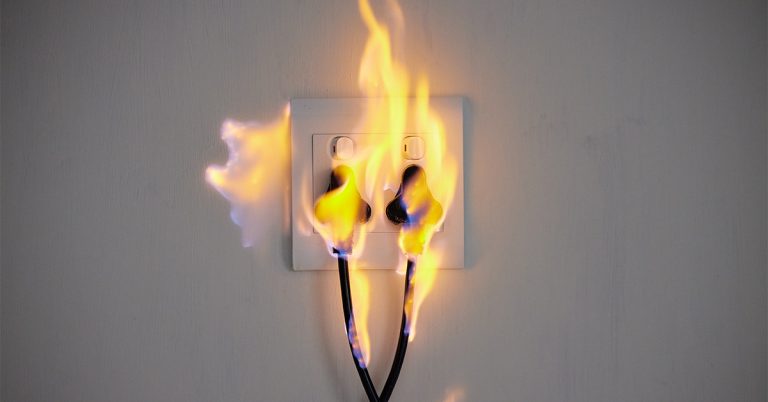
Electrical systems power nearly every aspect of modern life, but when something goes wrong, the results can be devastating. An overloaded circuit, aging wiring, or faulty electrical equipment can quickly turn into a fire that threatens lives, homes, and businesses.
Electrical malfunctions remain one of the leading causes of the most costly and destructive fires in both residential and commercial properties. The good news? Many electrical fires are preventable. Knowing the warning signs and acting early can significantly reduce your risk.
In this guide, we’ll explain what causes electrical fires, the warning signs you should never ignore, and practical steps homeowners and business owners can take to help protect their property. Let’s dive in.
Topics Covered
- How Common Are Electrical Fires?
- What Causes Electrical Fires?
- Electrical Warning Signs You Should Never Ignore
- Electrical Fire Prevention Tips for Homeowners
- Electrical Fire Prevention Tips for Commercial Property Owners
- Electrical Fire Prevention at a Glance
- Where Insurance Fits Into Electrical Fire Preparedness
How Common Are Electrical Fires?
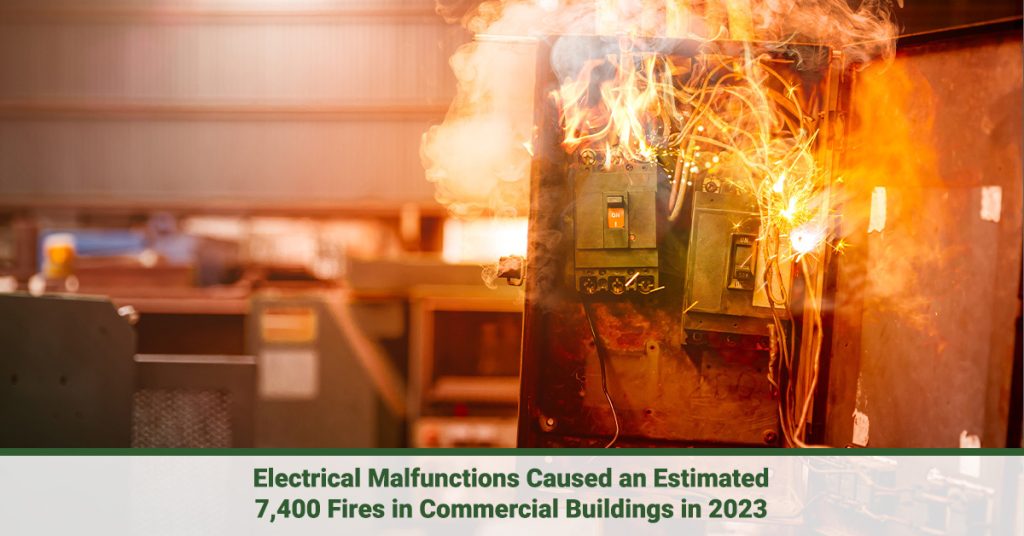
Over time, wires can loosen, insulation can break down, circuits can become overloaded, and electrical equipment can wear out. When that happens, heat begins to build. If that heat reaches nearby wood, insulation or other combustible materials, a fire can start.
Some of the most common causes include aging electrical panels, damaged wiring, overloaded circuits, faulty appliances, and improper electrical repairs.
What Causes Electrical Fires?
Aging Electrical Panels & Circuit Breakers
Your electrical panel is the heart of your home’s or business’s electrical system. Every light, outlet and appliance depends on it to safely distribute electricity throughout the building.
Over time, electrical panels and circuit breakers can develop problems that increase the risk of overheating or even an electrical fire. Common issues include:
- Aging components
- Loose connections
- Corrosion
- Physical damage
- Improper installation
- Electrical loads that exceed the system’s capacity
If your circuit breakers trip frequently, don’t ignore it. A breaker that keeps shutting off is often doing exactly what it’s designed to do: protect your home or business from an unsafe electrical condition.
Having your system inspected by a licensed electrician can help identify the underlying problem before it becomes a much larger one.
Old or Damaged Wiring
Older wiring isn’t automatically unsafe. In fact, many older homes and commercial buildings still have electrical systems that perform well when they’re properly maintained. The problem is that decades of wear and changing electrical demands can take their toll.
Over time, wiring can deteriorate in several ways, including:
- Brittle or damaged wire insulation
- Loose electrical connections
- Rodent damage
- Water intrusion
- Damage from remodeling or renovations
- Years of heating and cooling inside walls and ceilings
Many older buildings also weren’t designed for today’s electrical needs. Modern appliances, HVAC systems, computers, entertainment systems, EV chargers, and commercial equipment place much heavier demands on electrical systems than they did 30 or 40.
That’s one reason the Electrical Safety Foundation International (ESFI) recommends having older homes (over 40 years old) professionally inspected, particularly before purchasing a previously owned home, after major renovations, or when adding large electrical loads.
Commercial property owners should also have a qualified electrician evaluate their electrical capacity before expanding operations, installing new equipment, or changing how a building is used.
Overloaded Circuits
Every electrical circuit is only designed to handle so much power. When too many appliances or devices are running on the same circuit, it can overheat and increase the risk of an electrical fire.
Overloaded circuits often happen when multiple high-powered appliances, such as space heaters, microwaves, window air conditioners or portable cooking appliances, are plugged into the same circuit.
Common warning signs include:
- Frequently tripped breakers or blown fuses
- Flickering or dimming lights
- Warm or discolored outlets and switch plates
- Buzzing or sizzling sounds
- Burning odors
- A mild shock or tingling sensation from a device, switch, or outlet
Extension Cords & Power Strips
Extension cords and power strips are convenient, but they aren’t designed to be permanent wiring. Using them incorrectly can cause them to overheat, increasing the risk of an electrical fire.
To help reduce that risk:
- Don’t use extension cords as a long-term solution.
- Avoid “daisy chaining,” or plugging one extension cord or power strip into another.
- Never run cords under rugs, through doorways or where they can become pinched or damaged.
- Replace frayed or damaged cords immediately.
- Plug high-wattage appliances, such as portable space heaters, directly into a wall outlet whenever possible.
In a commercial setting, extension cords should also be appropriate for the environment and inspected regularly for damage. OSHA requires damaged or worn cords to be removed from service, and working space around electrical panels should never be blocked by storage or equipment.
If you’re constantly relying on extension cords because you don’t have enough outlets, that’s usually a sign it’s time to have additional outlets installed by a licensed electrician.
Not every electrical fire starts behind a wall or inside your electrical panel. Sometimes the problem is an appliance or piece of equipment that’s beginning to fail.
Whether it’s a coffee maker in your kitchen, a portable space heater, a refrigerator, a power tool, or commercial equipment, electrical problems often give warning signs before they become serious.
Watch for equipment that:
- Produces an unexplained burning odor
- Becomes unusually hot
- Sparks during operation
- Makes new buzzing, popping or crackling noises
- Shuts off unexpectedly
- Trips a breaker repeatedly
- Has a damaged plug or power cord
If you notice any of these warning signs, stop using the equipment immediately. Unplug it if it’s safe to do so, and have it inspected, repaired, or replaced before putting it back into service.
Improper Electrical Repairs
Electrical work that appears to be working normally isn’t always safe. In some cases, problems don’t show up until months or years after the work is done.
Poor workmanship, unapproved materials, or shortcuts can all increase the risk of overheating, electrical shock, or fire.
Common problems include:
- Improper wire splices
- Undersized wiring
- Incorrect breaker sizes
- Loose electrical connections
- Components that aren’t approved for their intended use
- Unpermitted or undocumented electrical work
A licensed electrician should always perform electrical work. A repair that appears to work properly can still hide wiring problems that increase the risk of fire later.
Electrical Warning Signs You Should Never Ignore
Electrical problems often give you warning signs before they become serious. If you notice any of the following, don’t ignore them, they could indicate an issue that should be evaluated by a qualified electrician.
Watch for:
- Flickering or dimming lights – Especially if it happens throughout the building or when large appliances turn on.
- Frequently tripped breakers or blown fuses – Your electrical system may be overloaded or experiencing another fault.
- Warm or discolored outlets or switches – Heat, scorch marks or discoloration can indicate overheating or loose connections.
- Burning or melting odors – An unexplained burning smell may be caused by overheated wiring, damaged insulation, or a failing electrical connection.
- Buzzing, sizzling or crackling sounds – Electrical systems should operate quietly. Unusual noises can be a sign of arcing or loose wiring.
- Sparks or mild electrical shocks – While a small spark can occasionally occur when plugging in a device, frequent sparks or any tingling sensation from an outlet, switch or appliance should be investigated.
If you notice one or more of these warning signs, don’t assume the problem will resolve itself. Stop using any affected outlets or equipment if it’s safe to do so, and have the electrical system inspected by a licensed electrician.
If you see smoke or flames, or believe there’s an immediate danger, leave the building and call 911. Don’t attempt to investigate the source yourself if doing so could put you at risk of fire or electric shock.
Electrical Fire Prevention at a Glance
Whether you own a home or a commercial building, these simple habits can help reduce the risk of an electrical fire:
- Have older electrical systems inspected by a qualified electrician.
- Don’t ignore flickering lights, burning odors or breakers that trip repeatedly.
- Replace damaged cords and plugs instead of repairing them with tape.
- Use extension cords only as a temporary solution.
- Avoid overloading outlets and circuits.
- Hire a licensed electrician for major electrical work.
- Test smoke alarms regularly and have an emergency plan.
Where Insurance Fits Into Electrical Fire Preparedness
Even with regular inspections and good maintenance, electrical fires can still happen. That’s where insurance becomes an important part of your overall financial protection.
For homeowners, a standard homeowners insurance policy may help cover damage to your home and personal belongings after a covered electrical fire. If your home is temporarily uninhabitable because of a covered loss, your policy may also help pay for additional living expenses while repairs are being completed.
For business owners, commercial property insurance may help cover damage to your building, equipment, inventory, and other covered business property. Depending on your policy, business income coverage may also help replace lost income and cover certain ongoing expenses if your operations are temporarily interrupted by a covered fire.
The best time to review your insurance coverage is before you need it. As you renovate your home, purchase expensive equipment, expand your business, or make major electrical upgrades, it’s a good idea to review your policy with your insurance agent to make sure your coverage still reflects your current needs.
Need to learn more about insurance for your home or business?
Our agents are ready to help, so contact us to learn how we can customize your insurance policies to meet your needs.
*Disclaimer: We offer content for informational purposes; Co-operative Insurance Companies may not provide all the services or products listed here. Please get in touch with your local agent to learn how we can help with your insurance needs.
Sources
Electrical Safety Foundation International. Home Electrical Fires. https://www.esfi.org/home-electrical-fires/
Electrical Safety Foundation International. Don’t Overload Your Home. https://www.esfi.org/dont-overload-your-home/
Electrical Safety Foundation International. Home Wiring Safety Tips. https://www.esfi.org/home-wiring-safety-tips/
Electrical Safety Foundation International. Know the Dangers in Your Older Home. https://www.esfi.org/know-the-dangers-in-your-older-home/
MSO, Inc. What Is a Leading Cause of Fires in Commercial and Residential Buildings? https://www.msonet.com/
Occupational Safety and Health Administration. Electrical Safety. https://www.osha.gov/electrical
U.S. Fire Administration. Residential Building Electrical Malfunction Fire Trends, 2014–2023. https://www.usfa.fema.gov/statistics/residential-fires/electrical.html
U.S. Fire Administration. Nonresidential Building Electrical Malfunction Fire Trends, 2014–2023. https://www.usfa.fema.gov/statistics/nonresidential-fires/electrical.html
U.S. Fire Administration. Appliance and Electrical Fire Safety. https://www.usfa.fema.gov/prevention/home-fires/prevent-fires/appliance-and-electrical/
U.S. Fire Administration. Residential Building Fire Causes. https://www.usfa.fema.gov/statistics/
U.S. Fire Administration. Nonresidential Building Fire Causes. https://www.usfa.fema.gov/statistics/nonresidential-fires/causes.html
U.S. Consumer Product Safety Commission. Household Extension Cords Can Cause Fires. https://www.cpsc.gov/s3fs-public/5032.pdf
U.S. Consumer Product Safety Commission. CPSC Warns Consumers to Be Cautious When Using Space Heaters, Furnaces and Fireplaces This Winter. https://www.cpsc.gov/Newsroom/News-Releases/2023/CPSC-Warns-Consumers-to-be-Cautious-When-Using-Space-Heaters-Furnaces-and-Fireplaces-This-Winter