
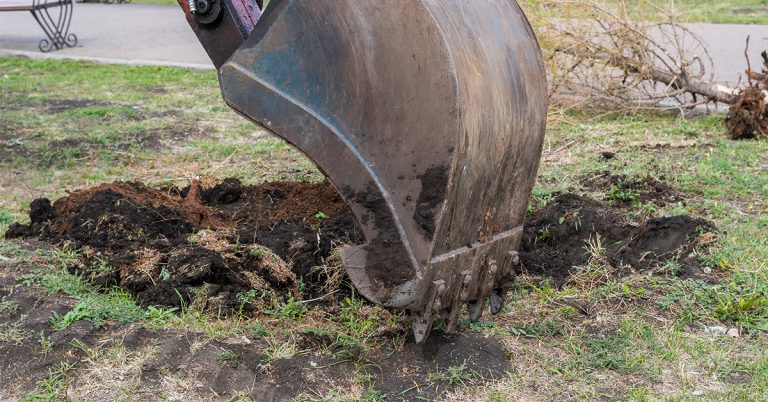
Most homeowners assume their insurance covers anything that goes wrong with their home. However, that’s not always the case when the problem is underground.
If a water, sewer, or utility line on your property fails, the cost to repair it is typically your responsibility, and those repairs can get expensive quickly, especially when excavation and restoration are involved.
As infrastructure continues to age, these types of issues are becoming more common in New England. For example, there are about 700 water main breaks per day in North America, or an estimated 260,000 every year. Unfortunately, this is a common problem.
Standard homeowners insurance policies usually don’t cover the underground service lines that connect your home to water, sewer, gas, and electrical systems. That’s where service line coverage comes in. This optional coverage is designed to help cover repair costs that would otherwise be the homeowner’s responsibility.
It’s important to understand what is and what is not included in service line coverage before deciding if it’s right for you and your home. Let’s break it down.
Topics Covered
- What Are Service Lines?
- What Service Line Coverage Typically Covers
- Why This Matters in New England
- The Pros of Service Line Coverage
- The Cons of Service Line Coverage
- Insurance Coverage vs. Utility Company Plans
- What Service Line Coverage Usually Does Not Cover
- Who Should Strongly Consider This Coverage
- A Real-World Scenario: With vs. Without Coverage
- How to Evaluate a Policy (Before You Add It)
What Are Service Lines?
Simply put, service lines are the lines that deliver essential services to and from your home. Think of them as your home’s lifelines, running underground between your house and the street (or a septic system, depending on your setup).
These typically include:
- Water line (bringing fresh water into your home)
- Sewer or septic line (carrying wastewater away)
- Gas line
- Electrical line
- Cable, phone, or internet lines
Once these lines cross onto your property, they’re usually your responsibility and not your utility company’s responsibility. If something goes wrong between your home and the connection at the street, the repair costs are often on you.
What Service Line Coverage Typically Covers
Service line coverage, at its core, helps pay for repair or replacement when a service line is damaged due to common, real-world causes, and not just sudden accidents.
Most policies cover things like:
- Wear and tear from aging infrastructure
- Corrosion
- Tree root intrusion (a big one in New England neighborhoods)
- Freezing and ground movement
- Accidental damage (like digging or construction work)
That said, it’s important to understand that the pipe itself is often not the most expensive part of the repair, it’s everything required to access and fix it. The real costs come from:
- Excavation (digging up your yard, driveway, or even the street)
- Labor and equipment
- Replacing landscaping, walkways, or pavement
Depending on the situation, replacing a pipe can cost $60 to $250 per linear foot, and total repairs can easily reach $6,000 to $10,000. Sewer lines can cost up to $20,000 or more. To help cover these unforeseen issues, some policies also include additional protections, such as:
- Temporary repairs to keep your home functional
- Additional living expenses if the home becomes uninhabitable
- Loss of rental income (for landlords)
Why This Matters in New England
Service line interruptions are increasingly relevant for homeowners in the Northeast. Here’s why:
1. Aging infrastructure
Many homes across New England were built decades ago, and the pipes connecting them to municipal systems are often just as old.
2. Freeze–thaw cycles
New Hampshire, Vermont, Massachusetts and surrounding states see constant expansion and contraction in the ground throughout the year. That movement puts stress on underground lines and can move or damage them over time.
3. Tree-heavy properties
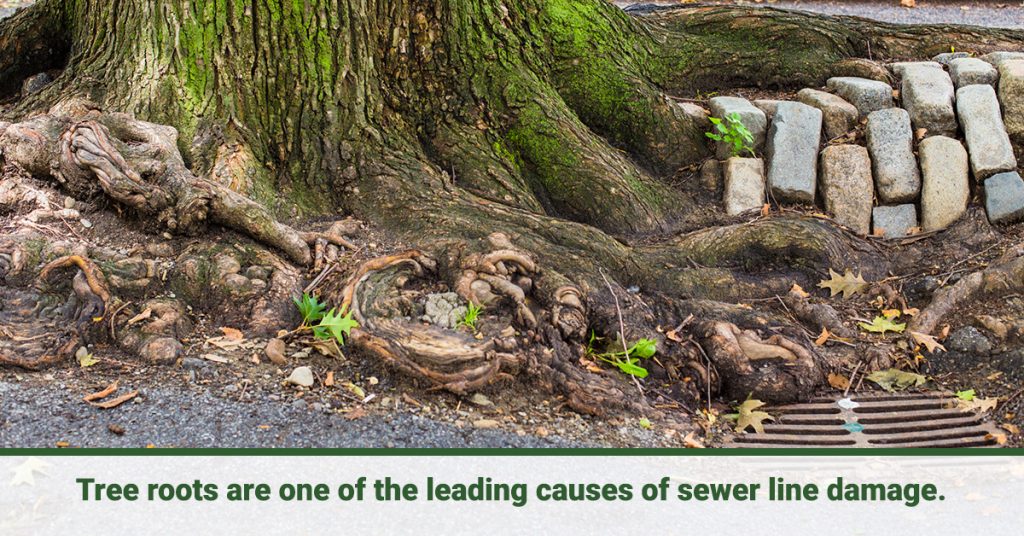
Those beautiful, mature trees lining your neighborhood? Their roots are one of the leading causes of sewer line damage.
4. Rising repair costs
Labor, materials, and permitting costs have all increased, so when something breaks, it’s not just inconvenient, it’s more expensive than ever.
The Pros of Service Line Coverage
For the right homeowner, this coverage can provide meaningful protection against a very specific and expensive risk.
1. Protection from sudden, high-cost repairs
Instead of facing a $10,000–$20,000 bill out of pocket, you’re paying a relatively small annual premium.
2. Coverage extends beyond the pipe
Many policies include excavation, labor, and restoration costs, which are often the most expensive part of the job.
3. Broader protection (depending on provider)
Coverage through your homeowners policy may include multiple types of service lines, not just one.
4. Flexibility in contractors
Unlike some utility-based programs, insurance-backed coverage may allow you to choose your own contractor.
5. Peace of mind
For homeowners with older homes, large properties, or known risk factors, this coverage can remove a major financial uncertainty.
The Cons of Service Line Coverage
Like any insurance product, service line coverage has limitations, so it’s important to understand them before adding it to your homeowners insurance policy.
1. It’s an added cost
Typically, this is an endorsement added to your policy, meaning an increase in your annual premium.
2. Coverage limits may apply
Some policies cap payouts, which means you could still have out-of-pocket costs for major repairs.
3. Not all damage is covered
Exclusions may include:
- Neglect or lack of maintenance
- Pre-existing damage
- Certain environmental causes
4. Coverage varies significantly
Not all policies are created equal. What’s covered, and how much, is highly dependent on your provider.
5. Utility company plans can be restrictive
Some service line programs offered through utilities:
- Only cover specific lines (like water, not sewer)
- Require you to use their contractors
- May not include full restoration costs
Because of the variation in types of coverages, it’s important to talk to an insurance expert to determine what’s best for your unique situation.
Insurance Coverage vs. Utility Company Plans
When it comes to choosing coverage from your insurer or coverage from your utility company, the details really matter.
Insurance-Based Coverage (Homeowners Policy Endorsement)
- Often covers multiple service lines
- May include excavation and restoration
- Typically allows more flexibility in choosing contractors
Utility Company Plans
- Often focused on a single service (like water or sewer)
- May be cheaper upfront
- Can limit contractor choice
- May not cover wastewater lines or full repair scope
Bottom line:
Utility plans can be helpful, but they’re often narrower in scope. Insurance-based coverage tends to be broader, but you’ll want to compare carefully.
The best thing you can do is talk to an insurance expert today to determine your needs and risk factors.
What Service Line Coverage Usually Does Not Cover
To avoid surprises, it’s just as important to understand what’s not included. Service line coverage is designed for external, underground risks and not internal plumbing problems.
Most policies won’t cover flood-related damage or plumbing issues inside your home, such as slow leaks that don’t cause sudden damage, or damage caused by neglect or lack of maintenance.
Who Should Strongly Consider This Coverage
Not every homeowner needs service line coverage, but for some, it’s worth a serious look.
Higher-risk homeowners:
- Homes 20–30+ years old
- Properties with large or mature trees
- Homes with long distances between house and street connections
- Homes in colder climates like New England
Lower-risk scenarios:
- New construction homes
- Recently replaced service lines
- Properties with minimal landscaping or shorter line distances
A Real-World Scenario: With vs. Without Coverage
Let’s imagine a common scenario. A homeowner notices slow drains and occasional backups. After an inspection, they learn their sewer line has collapsed due to tree root intrusion.
Without coverage, the excavation of yard and driveway, pipe replacement, and the restoration of landscaping can easily reach $15,000–$20,000 out of pocket.
With service line coverage, the majority of repair and restorations are covered, and out-of-pocket costs are typically limited to the deductible.
The same situation can have a very different financial outcome.
How to Evaluate a Policy (Before You Add It)
If you’re considering service line coverage, it’s worth taking a few minutes to ask the right questions.
Start here:
- What types of service lines are covered?
- What is the coverage limit?
- Does it include excavation and restoration?
- Can I choose my own contractor?
Most importantly, ask yourself, “If I had to pay $10,000–$20,000 tomorrow, would I be comfortable doing that?”
If the answer is no, this coverage may be worth a closer look.
Service line coverage isn’t something every homeowner needs, but it’s also not something most homeowners think about until it’s too late. It protects against a low-frequency, high-cost risk, that can be financially disruptive. For homeowners living in older properties, colder climates, or tree-heavy areas, it can offer real peace of mind. For others, it may not be necessary.
The key is understanding your exposure and making an informed decision based on your home, your risk tolerance, and your budget. If you’re not sure whether this applies to your situation, a simple next step is to review your current homeowners insurance policy or have a quick conversation with your insurance agent. Understanding what’s covered and what’s not covered can help you avoid surprises down the road.
Need to learn more about service line coverage?
Our agents are ready to help, so contact us to learn how we can customize your insurance policies to meet your needs.
*Disclaimer: We offer content for informational purposes; Co-operative Insurance Companies may not provide all the services or products listed here. Please get in touch with your local agent to learn how we can help with your insurance needs.
Sources
MSO. Service Line Coverage Pros and Cons. https://www.msonet.com/expertinsight/service-line-coverage-pros-and-cons-2/
Progressive. What is service line coverage? https://www.progressive.com/answers/service-line-coverage/
U.S. Environmental Protection Agency (EPA). Sustainable Water Infrastructure. https://www.epa.gov/sustainable-water-infrastructure
This Old House. How Much Does Sewer Line Replacement Cost? (2026 Pricing). https://www.thisoldhouse.com/plumbing/sewer-line-replacement-cost