

Imagine answering the phone and hearing your teenage daughter pleading that she’s been kidnapped. That’s exactly what happened to an Arizona mother, Jennifer DeStefano, in 2023.
It sounded just like her 15-year-old daughter crying for help: “Mom, these bad men have me. Help me.” Panicked, Jennifer was on the verge of paying a ransom when she discovered her daughter was perfectly safe and the call was an elaborate hoax using artificial intelligence to clone her daughter’s voice.
This terrifying episode underscores how far scammers will go, and how convincing their tactics have become. In fact, Americans reported losing a record $12.5 billion to fraud in 2024, 25% more than the year before.
Seniors were hit particularly hard, losing a staggering $4.8 billion. Scammers are exploiting digital tools, emotional manipulation, and household vulnerabilities to steal from everyday homeowners.
Let’s dive into the most common scams targeting homeowners today, how these frauds have evolved, and how to protect yourself.
Topics Covered
The Rise of Digital Fraud Against Homeowners
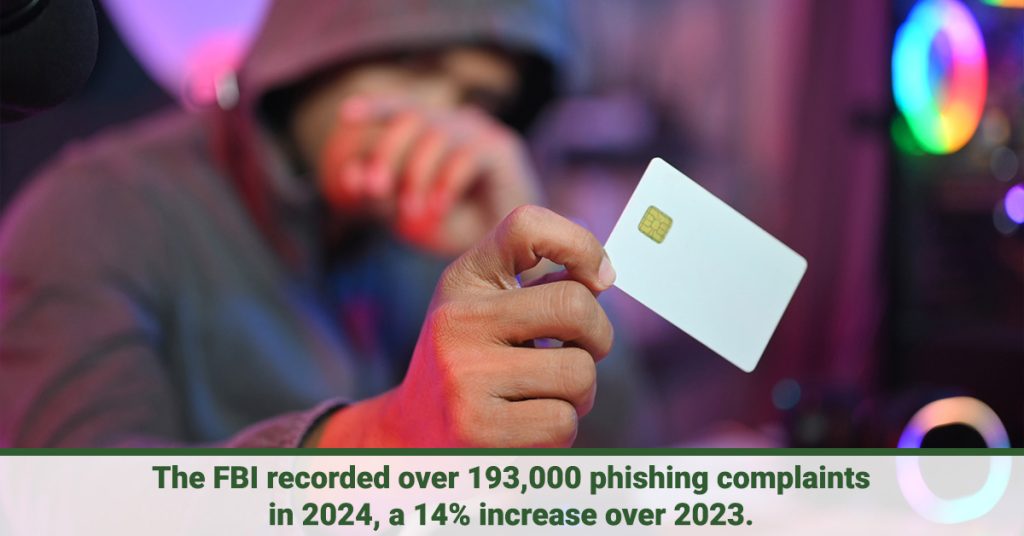
As more households manage bills, communication, and insurance online, digital fraud has surged. In 2024 alone, the FBI recorded over 193,000 phishing complaints, a 14% increase from the year before. The average loss? Around $1,500 per victim, though some schemes have drained tens of thousands from unsuspecting households.
Common Digital Scams
- Phishing Emails: These are designed to mimic trusted institutions like banks or insurance companies, often including company logos and realistic formatting. A common example is an email saying your “policy payment failed” or your “utility bill is overdue” and urging immediate action.
- Spoofed Calls and Texts: These may appear to come from your bank or insurer. Fraudsters use software to fake caller ID information, convincing people to provide Social Security numbers, login credentials, or even wire transfers.
- Malware/Ransomware: Sometimes, clicking a link in a fake email downloads malware, locking your files until a ransom is paid.
Best Practices:
- Always verify the sender’s email address or phone number independently.
- Enable multi-factor authentication (MFA) on all sensitive accounts.
- Avoid clicking links or downloading attachments from unknown senders.
How Homeowner Scams Have Evolved Over the Last Decade
Scammers have always preyed on homeowners, but the tactics they use have evolved dramatically in the last ten years. Here’s how the scam landscape has shifted:
Pre-2015: Traditional Tactics
- Door-to-Door Fraud: Con artists posing as utility workers or contractors offering urgent repairs.
- Mail-Based Scams: Fake notices about unpaid taxes, false property liens, or fake home warranties.
2015–2020: Digital Creep
- Phishing Emails Begin Rising: Impersonations of banks and insurers become more common.
- Data Breaches Fuel Targeted Attacks: With more personal info available online, scams become tailored.
2020–2022: Pandemic-Driven Vulnerability
- COVID Scams Surge: Fake PPE sellers, fraudulent relief checks, and home cleaning offers target isolated homeowners.
- Remote Work Weaknesses: Increase in internet-based scams and poor home Wi-Fi security.
2023–2024: The AI Era
- Voice Cloning Scams: Scammers mimic loved ones’ voices using AI.
- Deepfake Video Calls: Fraudsters create fake video appearances of insurers, contractors, or family members.
- Hyper-Targeted Phishing: Using AI to generate highly personalized scam messages, referencing real events or property details.
Contractor Cons and Post-Storm Scams
Scammers prey on homeowners’ urgency after storms, floods, or hail damage. In 2024, the FTC logged over 81,000 complaints related to home improvement scams, with total losses exceeding $500 million.
Red Flags to Watch For
- Unsolicited Door-to-Door Offers: Scammers show up uninvited, pointing out roof damage or cracked driveways.
- Demanding Large Upfront Payments: Legitimate contractors typically ask for no more than 30% upfront.
- Vague or Verbal Contracts: Fraudsters avoid paperwork. Always demand a detailed written agreement.
- License and InsuranceEvasiveness: Reputable pros have licenses, insurance, and references, and will produce them upon request.
A Real-World Example:
After a tornado in Kansas, homeowners were approached by contractors offering immediate repairs. One elderly couple paid $7,000 in cash as a deposit. The contractor never returned.
Protection Steps:
- Use state licensing board websites to verify credentials.
- Pay with credit card, when possible, for better dispute protections.
- Don’t sign insurance checks over to contractors.
Insurance Impostors and Policy Scams
One of the most dangerous schemes is premium diversion, where fake agents take your money but never actually purchase a policy. The National Association of Insurance Commissioners (NAIC) warns that this is the most common insurance scam.
In other cases, scammers impersonate your insurer after a disaster, asking for a processing fee to “fast track” your claim or for banking details to “issue a reimbursement.”
How to Spot These Scams:
- Premiums seem drastically lower than competitors.
- No official documentation or policy number is provided.
- The agent is pushy or evasive when asked for credentials.
What to Do:
- Confirm agent licensing with your state’s insurance department.
- Pay premiums only via secure portals or checks to the named company.
- Contact your insurer directly before acting on any unexpected requests.
AI Voice Cloning and Deepfake Scams
Artificial intelligence is enabling a terrifying new type of scam: AI-powered impersonations.
Why It’s Effective:
- Emotional distress bypasses logical thinking.
- Realistic voices or deepfake video calls create urgency and confusion.
Who’s Most Vulnerable:
- Seniors living alone
- Parents of teens or young adults
- People with a public online presence (even just social media videos)
Prevention Tips:
- Establish a verbal “family password” for emergencies.
- Hang up and verify separately through trusted contact methods.
- Avoid oversharing personal audio or video content online.
How Homeowner’s Insurance Can (and Can’t) Help
Insurance can help reduce the aftermath cost of scams, but most policies don’t reimburse money voluntarily sent to scammers. This is known as the “voluntary parting” exclusion.
What Is Typically Covered:
- Identity Fraud Expense Coverage: Pays for recovery costs (legal help, lost wages, credit monitoring)
- Cyber Protection Add-Ons: May cover certain digital losses, ransomware recovery, and personal data compromise
What’s Usually Not Covered:
- Payments made willingly under false pretenses (e.g., wiring money to a fake contractor)
- Premiums sent to a fake agent
- Fraudulent investments or scams outside of data theft
Best Practices:
- Ask your agent about available cyber protection riders.
- Document all interactions related to a scam in case legal restitution becomes possible.
Practical Tips to Protect Your Household
- Always Verify Sources: Don’t trust contact info in emails or texts. Verify them independently.
- Contractor Vetting: Never hire someone who just shows up. Check licenses, references, and reviews.
- Secure Your Digital Life: Use password managers and enable two-factor authentication.
- Slow Down: Scammers thrive on urgency. Pause, breathe, and think.
- Monitor Bank and Credit Activity: Set alerts and check your credit report at least annually. Quarterly or monthly is even better.
- Use Safe Payment Methods: Credit cards offer more fraud protection than cash or wire transfers.
- Report Scams Promptly: Visit https://reportfraud.ftc.gov and notify local law enforcement.
FAQ: Common Questions About Scams and Insurance
Q: Will my homeowner’s insurance reimburse me if I get scammed out of money?
A: In most cases, no. If you voluntarily transfer funds, even under false pretenses, your insurance will likely not reimburse you. This is known as the “voluntary parting” exclusion.
Q: What can I do if I gave money to a fake contractor?
A: Report it to local law enforcement and your state’s consumer protection agency. While recovery is difficult, documentation may help with legal action or restitution.
Q: Can my insurance help me recover from identity theft?
A: Yes. Many insurers offer optional identity fraud expense coverage that helps pay legal fees, lost wages, and recovery services.
Q: How can I tell if a contractor is legitimate?
A: Ask for their license number and verify it through your state’s licensing board. Also, check online reviews and require a written contract.
Q: Are seniors more likely to be targeted?
A: Yes. Seniors accounted for $4.8 billion in scam losses in 2024, according to the FBI. They’re often targeted due to perceived savings and trust.
Q: Where can I report a scam?
A: Use the FTC’s reporting tool at https://reportfraud.ftc.gov or contact your local police department for urgent threats.
Q: What does a legitimate contractor estimate include?
A: It should itemize the scope of work, materials, labor costs, a payment schedule, license and insurance numbers, start and end dates, and a clear warranty policy.
Q: How long does identity theft resolution usually take?
A: It varies, but most cases can take 4 to 6 months to resolve fully. More complex fraud may require a year or more, especially if multiple credit accounts were opened.
Q: Can I write off scam losses on my taxes?
A: In most cases, no. The IRS eliminated the deduction for personal casualty and theft losses under the Tax Cuts and Jobs Act (2018) unless the loss occurred in a federally declared disaster. Consult a tax professional for details.
Need to learn more about insurance?
Our agents are ready to help, so contact us to learn how we can customize your insurance policies to meet your needs.
*Disclaimer: We offer content for informational purposes; Co-operative Insurance Companies may not provide all the services or products listed here. Please get in touch with your local agent to learn how we can help with your insurance needs.
Sources
AARP. $12.5 Billion Reported Lost to Scams and Fraud in 2024, Older Adults Hit Hard. https://www.aarp.org/money/scams-fraud/older-adults-ftc-fraud-report/
ABC News. Mom warns of hoax using AI to clone daughter’s voice. https://abcnews.go.com/GMA/Family/mom-warns-hoax-ai-clone-daughters-voice/story?id=98551351
Business Consumer Alliance. How To Avoid Contractor Scams. https://www.checkbca.org/blog/2025/8/how-to-avoid-contractor-scams-705
FBI. FBI Releases Annual Internet Crime Report. https://www.fbi.gov/news/press-releases/fbi-releases-annual-internet-crime-report
FTC Consumer Advice. Top Scams of 2024. https://consumer.ftc.gov/consumer-alerts/2025/03/top-scams-2024
NAIC. Insurance Topics – Insurance Fraud. https://content.naic.org/insurance-topics/insurance-fraud
The Guardian. CEO of world’s biggest ad firm targeted by deepfake scam. https://www.theguardian.com/technology/article/2024/may/10/ceo-wpp-deepfake-scam
Trustwave Blog. FBI 2024 IC3 Report: Phishing Soars, Ransomware Batters Critical Infrastructure as Cyber Losses Climb. https://www.trustwave.com/en-us/resources/blogs/trustwave-blog/fbi-2024-ic3-report-phishing-soars-ransomware-batters-critical-infrastructure-as-cyber-losses-climb/