
Winter in New England has always demanded respect. But in recent years, winter storms have become less predictable and more disruptive, bringing heavier snowfalls, damaging ice, extreme cold snaps, and widespread power outages.
Storms that homeowners once shrugged off can now create serious safety and financial risks. A winter storm doesn’t just mean shoveling the driveway. It can mean:
- Frozen and burst pipes
- Roof damage from heavy snow or ice dams
- Extended power outages
- Unsafe heating situations
- Costly insurance claims that could have been prevented
The good news? Preparation now can reduce risk, stress, and financial surprises later. This guide walks you through what to do before, during, and after a winter storm, and provides insights into how preparation connects to your homeowners insurance.
Topics Covered
- What Counts as a Winter Storm & Why It Matters
- Preparing Before a Storm
- Stay Warm & Safe: Heating Precautions
- Plumbing Precautions
- Roof & Exterior
- Plan for Power Outages Before They Happen
- Stock Emergency Supplies for Home and Vehicles
- During the Storm: Staying Safe When Conditions Deteriorate
- After the Storm: Safety Comes First
- Insurance Considerations After a Winter Storm
What Counts as a Winter Storm & Why It Matters
Not all winter storms are the same, and the type of storm matters when it comes to home damage and insurance claims. Some storms cause immediate, obvious damage. Others create slow-building problems that show up days or weeks later.
According to the National Weather Service, winter storms can include:
- Heavy snow
- Ice or freezing rain
- Sleet
- Extreme cold
- High winds
Each creates different risks for homeowners.
- Heavy snow can overload roofs and strain structural supports, especially on older homes or flat roofs.
- Ice storms often bring down trees and power lines, leading to long outages and secondary damage.
- Extreme cold can freeze pipes inside walls, garages, and crawl spaces.
- Nor’easters (common in New England) combine wind, snow, and coastal moisture into one high-damage event.
Understanding these differences helps you prepare the right way.
Preparing Before a Storm
The best time to prepare for a winter storm is before the forecast turns urgent. The American Red Cross consistently emphasizes early planning because once a storm is underway, your options become limited.
Many winter insurance claims start with small issues that go unnoticed until damage is extensive. A pipe freezes quietly. A clogged gutter traps ice. A drafty attic allows ice dams to form. Here are some tips to help you alleviate those concerns and avoid a costly homeowners insurance claim.
Stay Warm & Safe: Heating Precautions
Heating issues are one of the biggest winter risks, especially during power outages. When heat is lost, homeowners sometimes turn to unsafe alternatives without realizing the danger.
Before a storm:
- Have your primary heating system serviced annually.
- Seal drafts around windows and doors to reduce heat loss.
- Know how long your home can safely retain heat if power is lost.
- Never use grills, camp stoves, or ovens to heat your home.
Carbon monoxide safety is critical. Install carbon monoxide detectors on every level of your home and near sleeping areas. CO poisoning is one of the leading causes of winter storm fatalities, often occurring when people try to improvise heat during outages.
Use Heating Sources Carefully
Many winter injuries and deaths happen indoors during storms, often due to unsafe heating practices.
Avoid:
- Using grills or generators indoors
- Overloading electrical outlets
- Burning anything that isn’t designed for indoor use
If you lose heat:
- Wear layers
- Close off unused rooms
- Gather family members into one warm space
These steps help conserve heat without introducing new hazards.
Watch for Hypothermia and Frostbite
Cold-related illnesses can develop quickly, even indoors if heat is lost.
- Signs of hypothermia include shivering, confusion, slurred speech, and drowsiness.
- Signs of frostbite include numbness, pale or waxy skin, and tingling sensations.
Both require immediate attention.
Plumbing Precautions
Common plumbing disasters can often be avoided with a little precaution. For example, whether you’re leaving town or staying put, taking a few preventative steps ahead of time can make the difference between a minor inconvenience and a major claim.
Plumbing & Pipes
- Insulate exposed pipes, especially in basements, crawl spaces, and garages.
- Disconnect and shut off exterior hoses and spigots.
- Keep cabinet doors open under sinks during extreme cold to allow warm air to circulate.
Roof & Exterior
Ice dams — ridges of ice that form along roof edges — are a major cause of winter water damage. They often result from uneven roof temperatures and poor drainage, not defective roofing materials.
- Clean gutters so melting snow can drain properly.
- Make sure attic insulation and ventilation are adequate to reduce ice dams.
Also, be sure to trim any tree branches that hang over your roofs or power lines so that they don’t come down in a storm and cause damage.
Plan for Power Outages Before They Happen
Winter storms in New England frequently knock out power, sometimes for days. That can mean no heat, no cooking, no internet, and limited communication for many households.
Have a plan for:
- Charging phones and medical devices
- Keeping food safe
- Staying warm without electricity
Generators can help, but only if they’re used safely.
- Only use generators outdoors, at least 20 feet from windows and doors.
- Never run a generator in a garage or basement.
- Follow manufacturer instructions carefully.
Portable generators are common, but standby generators may be worth discussing with your insurance agent if outages are frequent in your area.
Stock Emergency Supplies for Home and Vehicles
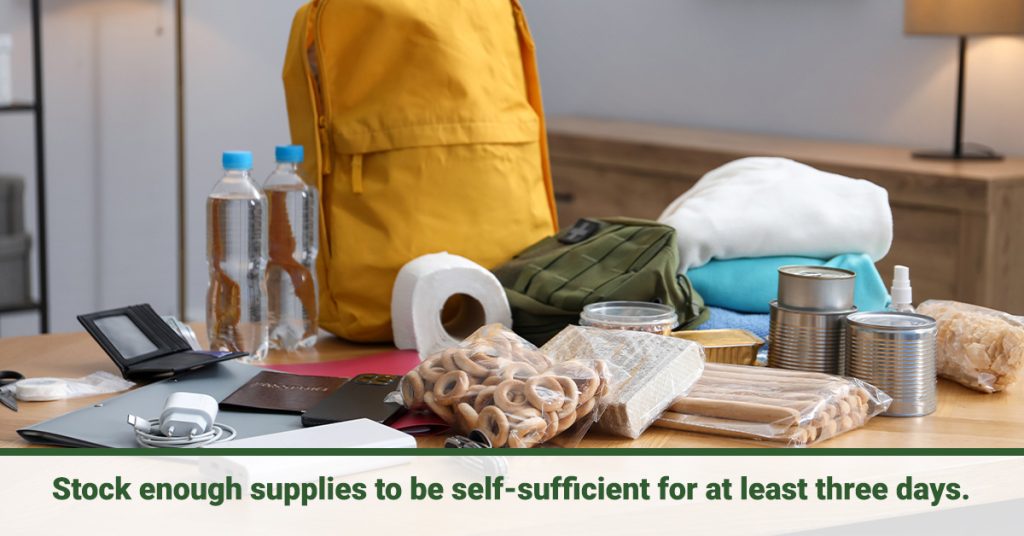
The Red Cross recommends having enough supplies to be self-sufficient for at least three days. This isn’t about extreme survival, it’s about staying safe if services are disrupted.
At home:
- Water (1 gallon per person per day)
- Non-perishable food
- Flashlights and batteries
- First aid kit
- Prescription medications
- Warm blankets and clothing
In your vehicle:
- Blanket and warm clothing
- Boots and gloves
- Flashlight
- Small shovel
- Emergency food and water
Vehicle kits are often overlooked, but a breakdown during a winter storm can quickly become dangerous, especially if help is delayed by weather conditions.
During the Storm: Staying Safe When Conditions Deteriorate
Once a storm is underway, your focus should shift from preparation to personal safety. The most common injuries during winter storms happen when people underestimate conditions.
Stay Put When Possible
Travel during winter storms significantly increases the risk of accidents and injuries. Emergency responders may also be delayed. If authorities advise staying off the roads, take that seriously — especially during whiteout conditions or ice events.
After the Storm: Safety Comes First
When the storm ends, hazards don’t disappear. Cleanup is when many injuries occur.
Be cautious of:
- Downed power lines
- Falling tree limbs or ice
- Snow-loaded roofs
- Slippery walkways
Avoid climbing on roofs unless absolutely necessary. Roof raking should be done from the ground whenever possible to reduce fall risk.
Insurance Considerations After a Winter Storm
When it comes to winter storm damage and homeowners insurance, a little preparation can really pay off. Most standard homeowners policies cover sudden and accidental damage caused by winter storms, such as:
- Roof damage from snow or ice
- Burst pipes due to freezing
- Tree damage to insured structures
- Power-outage-related losses (up to policy limits)
Coverage depends on policy terms, deductibles, and whether reasonable steps were taken to prevent damage.
What May Not Be Covered
Some losses may not be covered, including:
- Damage caused by neglect or lack of maintenance
- Flooding from snowmelt (often requires separate flood insurance)
- Long-term issues that developed over time
Insurers look closely at whether damage was preventable, which is why preparation and documentation matter.
How to Document Damage
If your home is damaged:
- Take photos and videos as soon as it’s safe.
- Make temporary repairs to prevent further damage.
- Keep receipts for emergency expenses.
- Contact your insurance agent or carrier promptly.
Avoid making permanent repairs until the damage has been documented unless your safety requires it.
A Quick Note for Renters and Condo Owners
Renters insurance typically covers personal belongings, not the building itself. Condo coverage varies based on association bylaws.
Even if you don’t own the structure, winter preparedness still matters, especially for safety, temporary living expenses, and personal property protection.
Final Takeaway: Prepared Beats Panicked
Winter storms are part of life in New England, but damage, injuries, and insurance surprises don’t have to be. A little preparation:
- Protects your home
- Keeps your family safer
- Makes the insurance process smoother if something does go wrong
If you’re unsure how your coverage applies to winter risks, the best time to review it is before the next storm, so contact your local insurance expert today.
Need to learn more about how your homeowners insurance can protect you from winter storms?
Our agents are ready to help, so contact us to learn how we can customize your insurance policies to meet your needs.
*Disclaimer: We offer content for informational purposes; Co-operative Insurance Companies may not provide all the services or products listed here. Please get in touch with your local agent to learn how we can help with your insurance needs.
Sources
American Red Cross. Winter Storm Safety. https://www.redcross.org/get-help/how-to-prepare-for-emergencies/types-of-emergencies/winter-storm.html
Centers for Disease Control and Prevention. Carbon Monoxide Poisoning Basics. https://www.cdc.gov/carbonmonoxide/prevention/index.html
Centers for Disease Control and Prevention. Preventing Hypothermia. https://www.cdc.gov/winter-weather/prevention/index.html
Federal Emergency Management Agency. 4 Steps to Prepare Before Winter Storm Brings Dangerous Freezing Rain and Snow to South, Midwest and Northeast. https://www.fema.gov/blog/4-steps-prepare-winter-storm-brings-dangerous-freezing-rain-and-snow-south-midwest-and
Insurance Information Institute. How to protect your home from water damage. https://www.iii.org/article/how-protect-your-home-water-damage
National Weather Service. Winter.https://www.weather.gov/safety/winter