
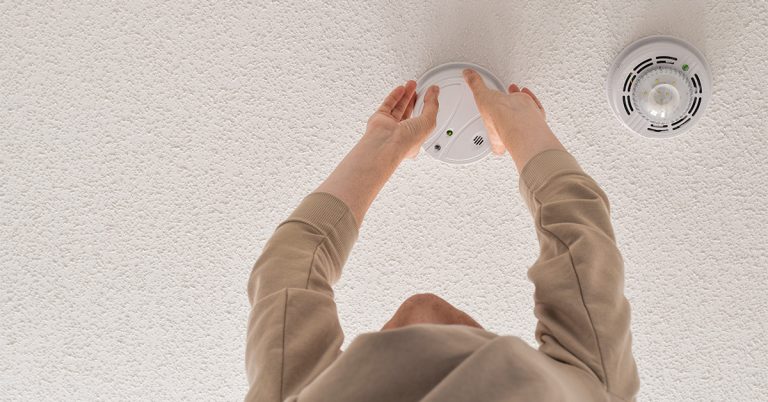
Carbon monoxide emergencies usually start quietly, and that’s what makes them so dangerous: they don’t announce themselves.
It’s often a normal night. The house is warm. The furnace is running. Everyone’s asleep. Nothing smells strange. Nothing sounds wrong. Many homeowners who experience CO incidents later say the same thing: “We didn’t think anything was wrong.” And that’s the point. Carbon monoxide doesn’t feel urgent until it suddenly is.
Recognizing where carbon monoxide threats can show up in your home is the first step to preventing CO poisoning. Let’s dive in.
Topics Covered
- Why Ordinary Homes Are at Risk from CO Poisoning
- Where Carbon Monoxide Comes From
- Carbon Monoxide Symptoms: Why People Miss the Warning Signs
- CO Alarms vs Smoke Alarms: A Common (and Risky) Assumption
- Where Carbon Monoxide Alarms Should Be Installed (and Why Placement Matters)
- What to Do If Your Carbon Monoxide Alarm Goes Off
- Carbon Monoxide and Homeowners Insurance
- Carbon Monoxide Safety Checklist
Why Ordinary Homes Are at Risk from CO Poisoning
Carbon monoxide is a poisonous gas created whenever fuel doesn’t burn completely. That includes fuels most homes rely on every day for heat: natural gas, oil, propane, wood, and gasoline.
What surprises many homeowners is that CO isn’t a sign something is “broken.” Your furnace, water heater, or fireplace can operate exactly as designed and still produce carbon monoxide. The danger comes when that gas can’t vent properly to the outside.
That might happen because of a cracked heat exchanger in a furnace, a corroded vent pipe, or even something as simple as snow piling up over an exhaust pipe after a storm.
Key things to understand:
- Carbon monoxide is invisible, odorless, and tasteless
- You cannot detect it without a CO alarm or detector
- Exposure can happen slowly over hours or suddenly in minutes
- Both short-term high exposure and long-term low exposure are dangerous
CO risk isn’t limited to “old” or “unsafe” homes. Any home with fuel-burning equipment can be affected, especially during heating season.
Where Carbon Monoxide Comes From
In a walk through a typical home, there’s a furnace or boiler in the basement, a water heater nearby, and a stove in the kitchen or a fireplace in the living room.
All of these systems burn fuel, and all of them produce carbon monoxide as part of normal operation. Most of the time, that gas vents safely outside. But vents age. Connections loosen. Chimneys crack. Exhaust paths get blocked. None of that feels dramatic until it matters.
Common indoor CO sources include:
- Furnaces and boilers
- Water heaters
- Gas ranges and ovens
- Fireplaces and wood stoves
- Pellet stoves
Many CO incidents happen in homes where equipment “seemed fine.” Annual inspections catch problems that homeowners can’t see, so contact your local heating company at the beginning of every heating season. Routine maintenance can reduce the risk to your health and home.
Garages, Cars, and the “I’ll Be Right Back” Moment
This one catches a lot of people off guard. Many homeowners assume garages “contain” exhaust. They don’t.
Imagine that it’s a cold morning. You start the car to warm it up. You step inside to grab your keys. Or groceries. Or a coffee. The garage door is open, so it feels safe.
But carbon monoxide doesn’t stay where you expect it to. In homes with attached garages, CO can seep through walls, ceilings, and ductwork in minutes, even with the door open.
High-risk situations include:
- Idling cars in attached garages
- Warming vehicles in winter
- Gas-powered tools or equipment stored near living spaces
Generators, Grills, and Power Outages
A lot of carbon monoxide emergencies happen when normal routines break down.
The power goes out during a winter storm. The house gets cold. Someone pulls out a generator, a grill, or a propane heater to stay warm and keep things running. But CO poisonings spike during these moments because people are improvising under pressure.
Never use these indoors or near openings to your home:
- Portable generators
- Charcoal or gas grills
- Camp stoves or propane heaters
Carbon monoxide incidents during outages are common and most often preventable.
Carbon Monoxide Symptoms: Why People Miss the Warning Signs
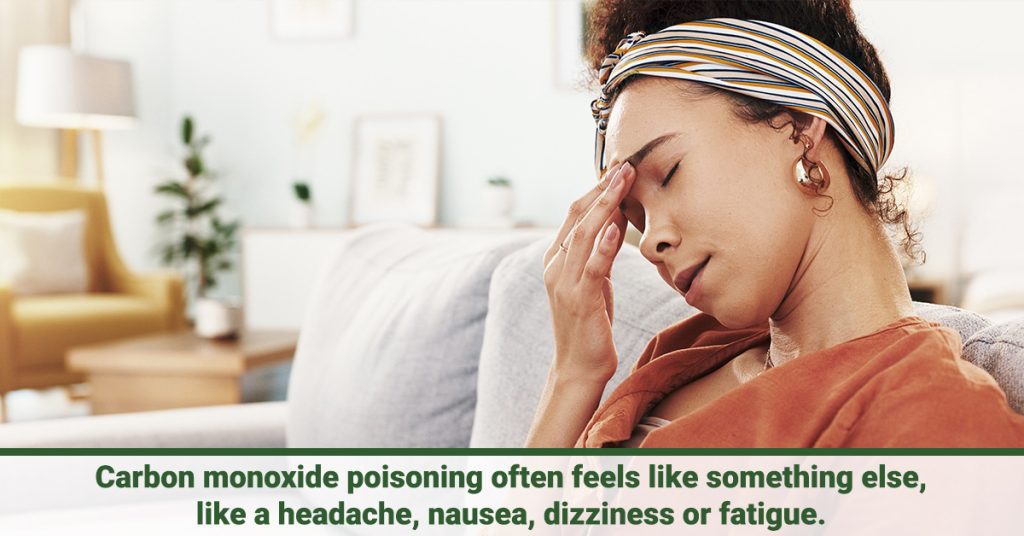
Carbon monoxide poisoning often feels like something else, like a headache, nausea, dizziness or fatigue. In winter, it’s easy to assume you’re getting sick or just worn down. What raises concern is when multiple people or pets feel off at the same time.
Pets often show symptoms first because of their smaller size. Homeowners sometimes realize something is wrong only after the dog won’t get up or the cat is unusually lethargic.
Common symptoms include:
- Headache
- Dizziness or lightheadedness
- Nausea or vomiting
- Confusion
- Fatigue
- Shortness of breath
- Lethargy in pets
Waiting to “see if it passes” can delay lifesaving action, so if you think you’ve been exposed to carbon monoxide, contact your local emergency services immediately.
CO Alarms vs Smoke Alarms: A Common (and Risky) Assumption
Many homeowners believe their smoke alarms cover everything. They don’t.
Smoke alarms detect particles from fire. Carbon monoxide alarms detect dangerous gas levels. They do different jobs — and one cannot replace the other.
Key differences to know:
- CO alarms alert at dangerous concentrations
- CO detectors can detect lower, ongoing exposure
- Smoke alarms and CO alarms are not interchangeable
Assuming you’re protected when you’re not creates a false sense of security. Make sure your smoke and CO detectors are functioning properly.
Where Carbon Monoxide Alarms Should Be Installed (and Why Placement Matters)
Alarm placement isn’t arbitrary and is about how quickly you’re alerted to danger, especially at night.
Imagine a CO leak starting while everyone is asleep. An alarm in the basement might not wake anyone upstairs. One outside bedrooms might.
Recommended placement:
- Every level of the home
- Inside bedrooms
- Outside sleeping areas
- Near (but not directly next to) fuel-burning appliances
Avoid placing alarms:
- Right next to appliances
- In bathrooms
- In dead-air spaces
An alarm only helps if it senses danger early enough, so make sure you’re covered.
Preventing Carbon Monoxide: Small Habits That Matter
CO prevention isn’t about emergency prep — it’s about routine homeownership.
Annual inspections, clearing vents, and using equipment correctly doesn’t feel dramatic, but they do prevent most CO incidents.
Everyday prevention steps:
- Have heating systems inspected annually
- Keep chimneys and vents clear
- Check exhaust pipes after snowstorms
- Never use grills or ovens for heat
- Run generators 20+ feet from your home
- Never idle vehicles in garages
Most CO incidents are preventable with basic maintenance and awareness.
What to Do If Your Carbon Monoxide Alarm Goes Off
This is not the moment to troubleshoot. If a CO alarm sounds, treat it as real, even if no one feels sick yet.
What to do immediately:
- Get everyone (and pets) outside
- Call 911 or local emergency services from outside
- Do not re-enter until responders say it’s safe
Carbon monoxide can overwhelm you faster than you expect.
Carbon Monoxide and Homeowners Insurance
Carbon monoxide itself isn’t something you file a claim for, but damage caused by CO-related events often is.
For example, if a furnace malfunction leads to a fire or smoke damage, homeowners insurance may respond. Preventable maintenance issues, however, usually aren’t covered.
General insurance considerations:
- CO-related fires may be covered
- Secondary damage (smoke, soot, water) may apply
- Maintenance neglect is typically excluded
- Documentation and inspections matter
Understanding coverage ahead of time prevents surprises during stressful moments, so contact your local insurance agent today.
Carbon Monoxide Safety Checklist
This homeowner CO safety checklist can help keep you and your home safe:
- Test CO alarms monthly
- Replace alarms per manufacturer guidelines
- Schedule annual HVAC inspections
- Review generator safety plans
- Talk through an emergency plan with your household
Carbon monoxide safety is about understanding how everyday systems work and where simple habits reduce real risk. Most homeowners affected by CO never expected it. Staying informed turns an invisible hazard into something manageable.
Need to learn more about how your homeowners insurance can protect you from carbon monoxide?
Our agents are ready to help, so contact us to learn how we can customize your insurance policies to meet your needs.
*Disclaimer: We offer content for informational purposes; Co-operative Insurance Companies may not provide all the services or products listed here. Please get in touch with your local agent to learn how we can help with your insurance needs.
Sources
American Red Cross. Power Outage Safety. https://www.redcross.org/get-help/how-to-prepare-for-emergencies/types-of-emergencies/power-outage.html
Centers for Disease Control and Prevention. Carbon Monoxide Poisoning Basics.
https://www.cdc.gov/carbonmonoxide
Consumer Product Safety Commission. Keep Warm and Safe This Winter: Tips for Using Generators, Furnaces and Space Heaters. https://www.cpsc.gov/Newsroom/News-Releases/2026/Keep-Warm-and-Safe-This-Winter-Tips-for-Using-Generators-Furnaces-and-Space-Heaters
National Fire Protection Association. Home Heating Safety. https://www.nfpa.org/education-and-research/home-fire-safety/heating