
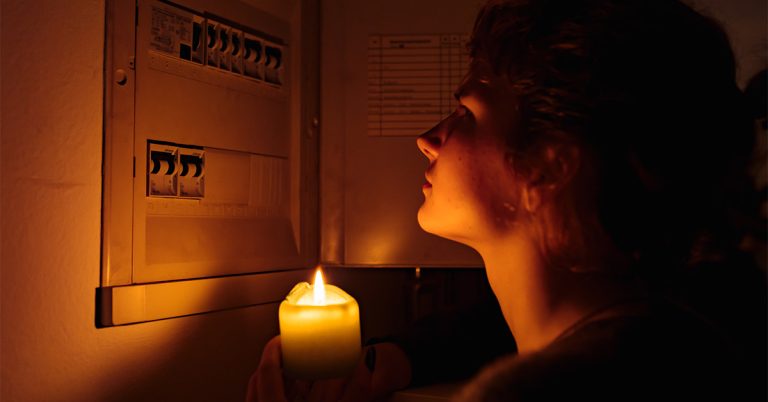
Power outages are more than inconvenient. In New England particularly, they can quickly become safety issues affecting heat, food storage, water supply, medical devices, and even indoor air quality.
The good news? A little preparation goes a long way. Let’s dive in.
Topics Covered
Top Causes of Power Outages in New England by Season
New England’s weather patterns make power outage risk highly seasonal. Understanding each season’s outage risk can help homeowners prepare proactively.
Winter: Ice, Snow & Nor’easters
Winter storms are the leading cause of prolonged outages in New England, and according to the U.S. Energy Information Administration (EIA), severe winter storms are a major driver of large-scale outages nationwide as well.
Primary causes:
- Ice accumulation weighing down power lines
- Heavy, wet snow breaking tree limbs
- Nor’easters with high winds
- Equipment strain during extreme cold
Winter outages are especially dangerous because they can lead to heating loss, frozen pipes, increased carbon monoxide risk from unsafe heating alternatives, and medical vulnerabilities.
Spring: Wind & Early Thunderstorms
Spring may feel milder but it’s actually very windy.
Common causes of power outages include not only high wind events, but also early season thunderstorms, saturated soil leading to uprooted trees, and downed lines from storm debris.
FEMA identifies severe rain and lightning as one of the most common causes of outages. Spring is also when homeowners begin relying more on sump pumps, which means power loss can increase basement flood risk.
Summer: Thunderstorms & Grid Strain
Summer outages often come from two different sources.
1. Severe thunderstorms
- Lightning strikes
- Downbursts
- Tornadoes (increasingly common in parts of New England)
2. Heat-related grid strain
When temperatures spike, energy demand surges. The Department of Energy notes that extreme weather events and grid stress are increasing outage frequency. Summer outages raise different risks:
- Heat exhaustion
- Spoiled food
- Lack of air conditioning
- Increased vulnerability for seniors
Fall: Remnants of Hurricanes & Early Snow
Fall is deceptively risky. Primary causes of power outage tend to be tropical storm remnants, high winds, early heavy snow on leafy trees (which increases branch breakage). Fall outages often catch homeowners off guard because preparation levels tend to be lower than in winter.
What to Do Before the Power Goes Out
Planning ahead for essential electrical needs can be the difference between safety and struggle. It goes beyond just having flashlights. It’s about understanding how your home functions when electricity disappears.
1. Know Your Home’s Electrical Dependencies
Walk through your house and ask, “What stops working without power?”
Common answers in New England homes:
- Furnace or boiler controls
- Well pump (no power = no water)
- Sump pump
- Refrigerator & freezer
- Garage door opener
- Internet router
- Medical devices (CPAP, oxygen, refrigerated insulin)
- Security systems
The Red Cross recommends taking an inventory of essential electrical needs and planning how you would live without them. Ask yourself how you will:
- Stay warm or cool
- Cook
- Communicate
- Run medical equipment
- Protect refrigerated medicine
If you rely on powered medical devices or refrigerated medication, a backup generator may be just what you need to stay safe and comfortable.
2. Build a Stay-at-Home Emergency Kit
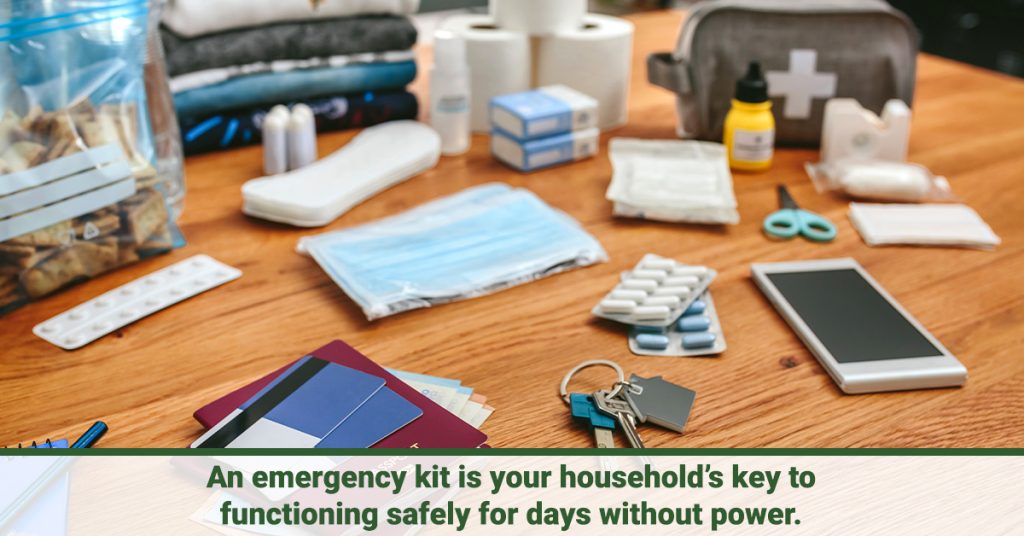
Building a stay-at-home emergency kit isn’t about tossing a few extra batteries in a drawer, it’s about preparing your household to function independently if the power is out for days, not hours.
The American Red Cross recommends keeping at least two weeks of essential supplies at home, along with a smaller “go-kit” that includes at least three days of portable necessities in case you need to leave quickly.
Start with water.
Federal emergency preparedness guidance recommends storing at least one gallon per person per day for drinking and sanitation. And if your home relies on a well pump, this is especially important because when the electricity goes out, so does your running water.
That means no showers, no flushing toilets, and no filling pots at the sink. Planning ahead ensures you’re not scrambling when stores are closed and shelves are empty.
Pro tip: Visit ready.gov/kit for a complete list of what to include in your stay-at-home emergency kit.
Food
Food planning during a power outage isn’t about having “something” in the pantry, it’s about making sure your household can eat safely without relying on electricity.
Stock up on shelf-stable items like canned goods, dry pasta, rice, nut butters, protein bars, and other nonperishables that don’t require refrigeration. Make sure you have a manual can opener, since electric ones won’t work when the power is out.
Include ready-to-eat options that don’t require cooking, especially if you don’t have a safe backup heat source.
If you have infants in the home, keep an adequate supply of baby formula and feeding supplies on hand.
It’s also wise to keep a refrigerator thermometer inside your fridge so you can monitor food temperatures during an outage. This can help you determine whether food has remained at safe temperatures or not.
Medications
When it comes to medications, a power outage can quickly become a health risk. The American Red Cross recommends keeping at least a one-month supply of prescription medications stored safely and in their original containers.
If you rely on refrigerated medications, such as certain types of insulin, talk with your healthcare provider in advance about backup storage options.
It’s also smart to maintain a written list of your medications, including the exact names, dosages, and prescribing doctors. Keep that list in your emergency kit or wallet. If you ever need to evacuate or seek medical care during an outage, having that information readily available can save time, reduce stress, and ensure continuity of care.
Documents
Keep paper copies of:
- Insurance policies
- Medical records
- Emergency contacts
Remember: ATMs and card readers may not function during widespread outages, so having a little cash on hand is never a bad idea.
3. Portable Generator Safety: Critical for New England Homes
Portable backup generators are helpful, but extremely dangerous if used incorrectly. The CDC warns that carbon monoxide (CO) poisoning kills hundreds annually and increases during power outages.
- Never use a generator indoors.
- Keep it outside, well-ventilated, away from windows
- Never run a generator in a garage
- Never place it under a deck
- Never back feed power through outlets
Install carbon monoxide detectors on every level of your home to protect yourself from potential CO poisoning.
4. Stay Connected
Staying connected during a power outage starts long before the storm hits. Signing up for local emergency alerts so you can receive real-time updates about severe weather, evacuation notices, and restoration timelines can help keep your home safe.
Because cell service and internet access can become unreliable, keep backup batteries or portable charging banks available for your devices. A battery-powered radio is also essential because it allows you to monitor local news and emergency information even if your phone dies.
Finally, maintain a printed contact list with important phone numbers. If your phone is lost, damaged, or out of power, you won’t want to rely solely on a digital contact list you can no longer access.
Taking these steps ahead of storm season ensures you’re not cut off from critical information when you need it most.
What to During a Power Outage
One of the biggest questions homeowners face during a power outage is whether the food in your refrigerator is still safe to eat.
According to the USDA:
- Refrigerators keep food safe for 4 hours unopened
- Full freezer: 48 hours
- Half-full freezer: 24 hours
After that, temperature becomes critical. The Red Cross advises discarding perishable food that has been above 40°F, as bacteria can multiply quickly at warmer temperatures. If you’re unsure about an item’s safety, follow the simple rule emergency officials repeat often: “When in doubt, throw it out.” It’s better to lose groceries than risk foodborne illness.
Prevent Fire Hazards
Power outages can quietly increase fire risk if homeowners aren’t careful. Unplugging appliances and electronics during an outage can help prevent damage from power surges when electricity is restored.
For lighting, use flashlights instead of candles because open flames significantly increase the risk of accidental fires, especially in dark, unfamiliar conditions.
It’s also important not to use gas stoves or ovens to heat your home. While it may seem like a quick solution during cold weather, doing so can create serious fire and carbon monoxide hazards.
Taking these precautions helps protect both your household and your home during an already stressful situation.
Carbon Monoxide Awareness
CO cannot be seen or smelled, but it can kill quickly, so knowing the symptoms and what to avoid can help protect you.
Symptoms:
- Headache
- Dizziness
- Weakness
- Nausea
- Unconsciousness
Never use:
- Charcoal grills indoors
- Gasoline or propane heaters indoors
- Generators inside garages
Pro tip: Read Carbon Monoxide Poisoning Basics from the Centers for Disease Control for more information.
Heat & Cold Risks
Temperature becomes a serious safety concern during extended power outages. Ready.gov warns that extreme heat can quickly lead to heat exhaustion or heat stroke, particularly for older adults, young children, and individuals with chronic health conditions.
In the winter, prolonged exposure to cold indoor temperatures increases the risk of hypothermia and frozen pipes. If your home becomes too hot or too cold to remain safely inside, the American Red Cross advises considering evacuation.
Many communities open designated warming or cooling centers during prolonged outages to provide a safe, climate-controlled environment. Knowing where those locations are ahead of time can make a critical difference when temperatures become unsafe.
Well & Basement Considerations
If you rely on a well pump, sump pump, or septic pump, you are vulnerable to:
- Water shortages
- Basement flooding
- Sewage backup
Planning can help you avoid these risks.
After the Power Returns: Hidden Risks
When the power comes back on, it may feel like the emergency is over, but hidden hazards can remain.
Electrical Hazards
The American Red Cross warns homeowners to stay clear of downed power lines and damaged electrical equipment, as they may still be energized and pose a serious electrocution risk.
If your home experienced flooding, be especially cautious. Electrical systems, outlets, or appliances that have been underwater can cause shock or fire if used before being thoroughly inspected. If you notice flickering lights, unusual smells, damaged wiring, or anything that doesn’t seem right, contact a qualified professional before fully restoring utilities. Taking a few extra precautions after power is restored can prevent secondary damage and keep your household safe.
Insurance Considerations Homeowners Often Overlook
When most homeowners think about power outages, they tend to focus on safety and comfort, but the financial impact can linger after the lights come back on. Depending on the circumstances, an outage can lead to property damage, spoiled food, or even temporary displacement. Understanding how your homeowners policy responds before storm season can help you avoid surprises when you need coverage most.
Power outages can trigger claims for:
- Spoiled food
- Power surge damage
- Frozen pipes
- Sump pump failure
- Temporary housing
After an outage:
- Photograph damage
- Save receipts
- Review coverage details
Talk to a licensed insurance agent to understand your policy before storm season and ensure you’re covered against unforeseen hazards.
Quick Homeowner Power Outage Checklist
Before
- Inventory electrical needs
- Store 1 gallon of water per person per day
- Stock a 2-week supply of essentials
- Install CO detectors
- Sign up for alerts from local agencies
During
- Keep fridge closed
- Use thermometers
- Avoid candles
- Never run generator indoors
After
- Avoid downed wires
- Inspect appliances
- Discard unsafe food
- Document damage
Power outages are part of life in New England. Whether it’s ice in January, thunderstorms in July, or heavy winds in October, a little preparation can help you from being caught off guard. A few simple steps before a storm hits can protect your home, your health, and your peace of mind.
Need to learn more about how your homeowners insurance can protect you from power outages?
Our agents are ready to help, so contact us to learn how we can customize your insurance policies to meet your needs.
*Disclaimer: We offer content for informational purposes; Co-operative Insurance Companies may not provide all the services or products listed here. Please get in touch with your local agent to learn how we can help with your insurance needs.
Sources
American Red Cross. Power Outage Safety. https://www.redcross.org/get-help/how-to-prepare-for-emergencies/types-of-emergencies/power-outage.html
Ready.gov. Power Outages. https://www.ready.gov/power-outages
Ready.gov. Water. https://www.ready.gov/water
Ready.gov. Thunderstorms & Lightning. https://www.ready.gov/thunderstorms-lightning
Ready.gov. Extreme Heat. https://www.ready.gov/heat
U.S. Energy Information Administration (EIA). Major Disturbances and Interruptions in U.S. Electric Service. https://www.eia.gov/todayinenergy/detail.php?id=35652
National Weather Service. Severe Thunderstorm Safety. https://www.weather.gov/safety/thunderstorm National Weather Service. Ice Storms.https://www.weather.gov/safety/winter-ice-frost